
Trauma Counseling
Trauma can leave lasting imprints on the body, mind, and relationships. Whether you’ve experienced acute events, chronic stress, relational wounds, or systemic harm, we offer trauma-informed care that honors your resilience, validates your experience, and supports your healing. At Your Family Counseling Center, we walk with you—gently, strategically, and with deep respect.
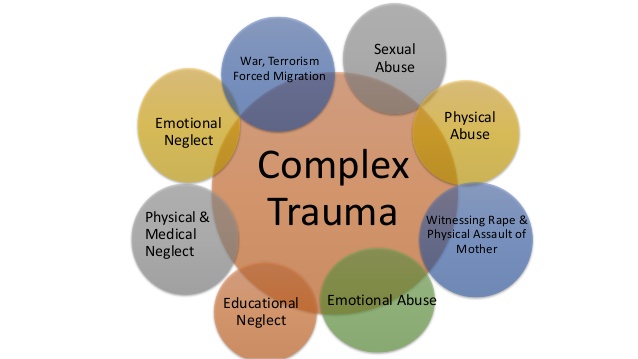
🧠 What Trauma Can Look Like
Trauma may show up as:
Anxiety, panic, or hypervigilance
Emotional numbness or shutdowns
Flashbacks, nightmares, or intrusive thoughts
Difficulty trusting, connecting, or feeling safe
Sensory overwhelm or executive functioning challenges
Shame, guilt, or identity confusion
We understand that trauma affects everyone differently—and that healing requires safety, attunement, and choice.
🛠️ How We Help
Our trauma support integrates:
EMDR (Eye Movement Desensitization and Reprocessing) for nervous system healing and memory integration
Somatic Awareness to reconnect with the body and regulate distress
Cognitive Behavioral Therapy (CBT) for thought and behavior patterns
Dialectical Behavior Therapy (DBT) for emotion regulation and grounding
Mindfulness-Based Interventions to foster presence and self-compassion
Systems-Informed Care to explore how relationships, culture, and context shape trauma and recovery
We tailor therapy to your neurotype, history, and goals—whether you’re seeking relief, reconnection, or transformation.
🗺️ What to Expect
Initial Sessions
We begin with a comprehensive intake to understand your story, symptoms, and support systems. Together, we clarify goals and co-create a trauma-sensitive treatment plan.
Ongoing Work
Therapy may include structured interventions, narrative processing, skill-building, and somatic regulation. We move at your pace—never rushing, always honoring your autonomy.
Optional Assessment
For clients seeking diagnostic clarity, we offer integrated psychological evaluations to inform care and support accommodations.
💡 Why Choose Us?
Trauma-Informed & Empowering: We prioritize safety, choice, and collaboration.
Neurodivergent-Affirming: We understand how masking, sensory needs, and burnout intersect with trauma.
Relationally Sensitive: We explore how attachment, family systems, and culture shape trauma and healing.